Romsdal Academy
May 28 – 31
Romsdal Academy 2026: My First Steps into Mountaineering in Norway
Four days in the Norwegian mountains. My first time on skis, a slightly injured foot, some unexpected climbing, and a few thoughts about the life I want to live.
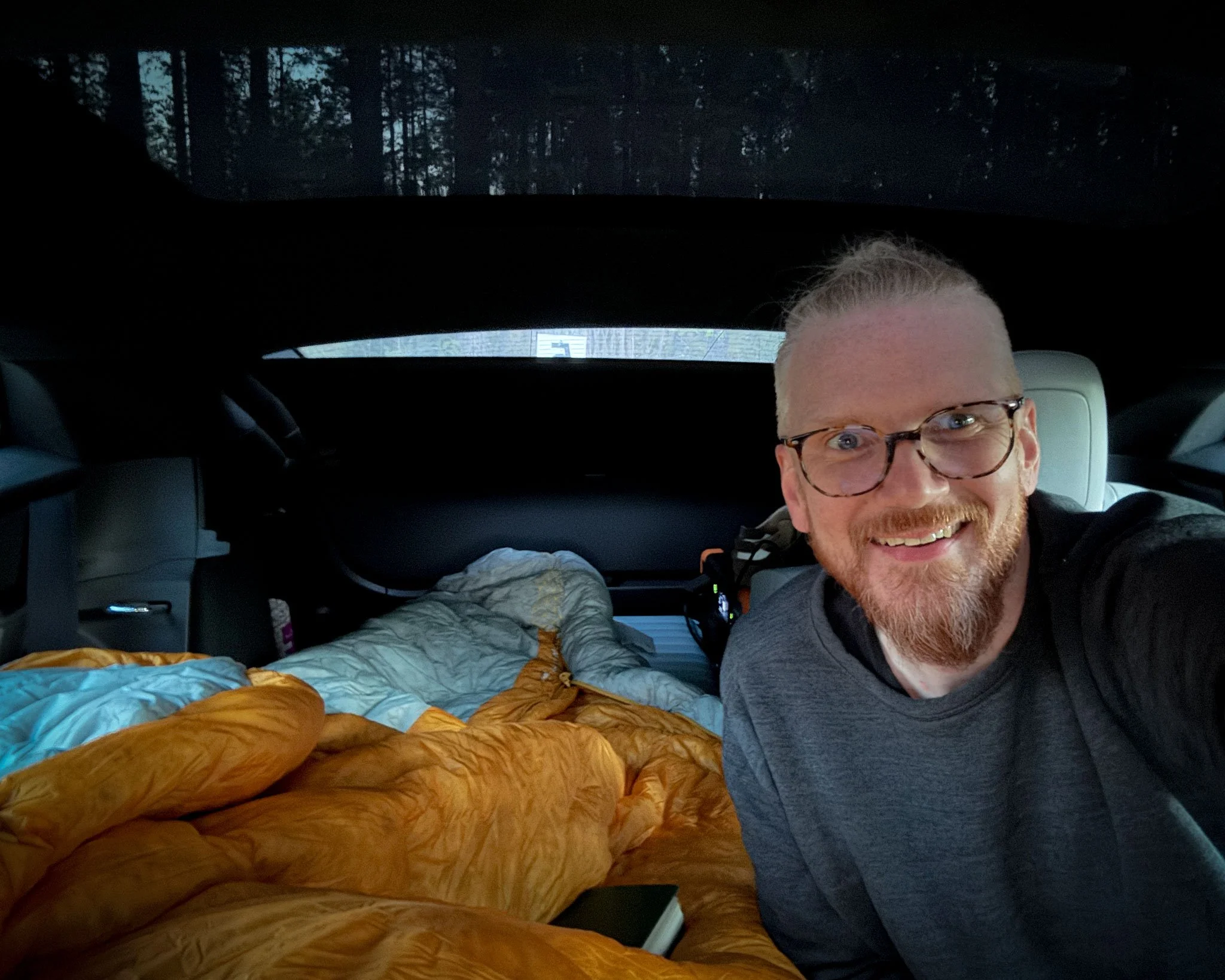
I went to Romsdal thinking I would learn a few new mountain skills. I had chosen workshops that sounded interesting, packed the car and driven from Estonia through Sweden towards Norway. I wasn’t entirely sure what I was getting myself into.
I like mountains, being outdoors and learning things I can actually use. But I had very little experience with the activities I had signed up for, and that didn’t seem like a particularly good reason not to go. I also had quite a lot on my mind. Work had been taking up more space than I wanted, and I was once again thinking about how to spend more of my time doing things that actually matter to me.
So I drove to Romsdal. Not necessarily looking for answers. Mostly looking forward to a few days in the mountains.
Arriving in Romsdal
I reached Romsdal Lodge on Thursday afternoon, a little earlier than planned. On the drive there, I had been listening to an Orthodox podcast that a friend had shared with me, and one word stayed in my head: Agathodaimon, an ancient Greek idea of a good or guiding spirit. I started thinking about it as a way of living more in harmony with nature, being a little more conscious of what I do and, ideally, a little happier while doing it.
Then my phone rang. A work call. Within minutes, I was annoyed enough to record a little video just to get the frustration out of my system. The video stayed on my phone, but I switched off my work number.
A rather practical first step towards harmony, I suppose.
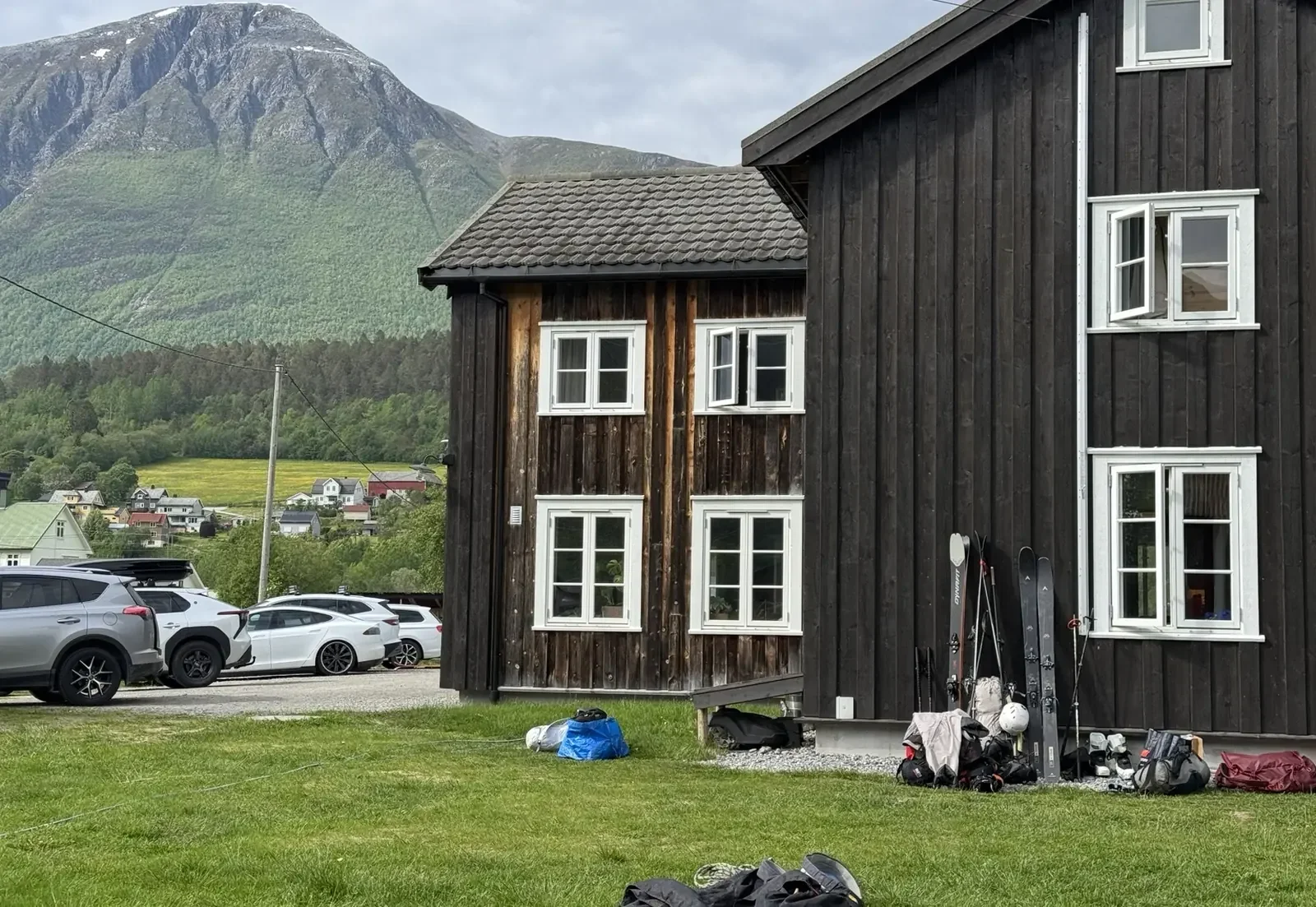
At the Lodge, I met some of the people from Houdini and the organising team. Everyone seemed to know their way around mountains, equipment and each other, and I wasn’t quite sure whether I belonged in this crowd. Almost everyone was wearing Houdini clothing, which made sense considering the brand’s connection with the event. Still, the whole thing felt a little like entering someone else’s world. But I was there to learn, so that was fine.
The following morning, I would apparently be skiing. Something I had never done before.
My first time on skis. On Trollvegen. Seriously?
I woke up before six, as I usually do, and was looking forward to the day. Then someone handed me a pair of touring skis. I was told I would definitely need them.
Right.
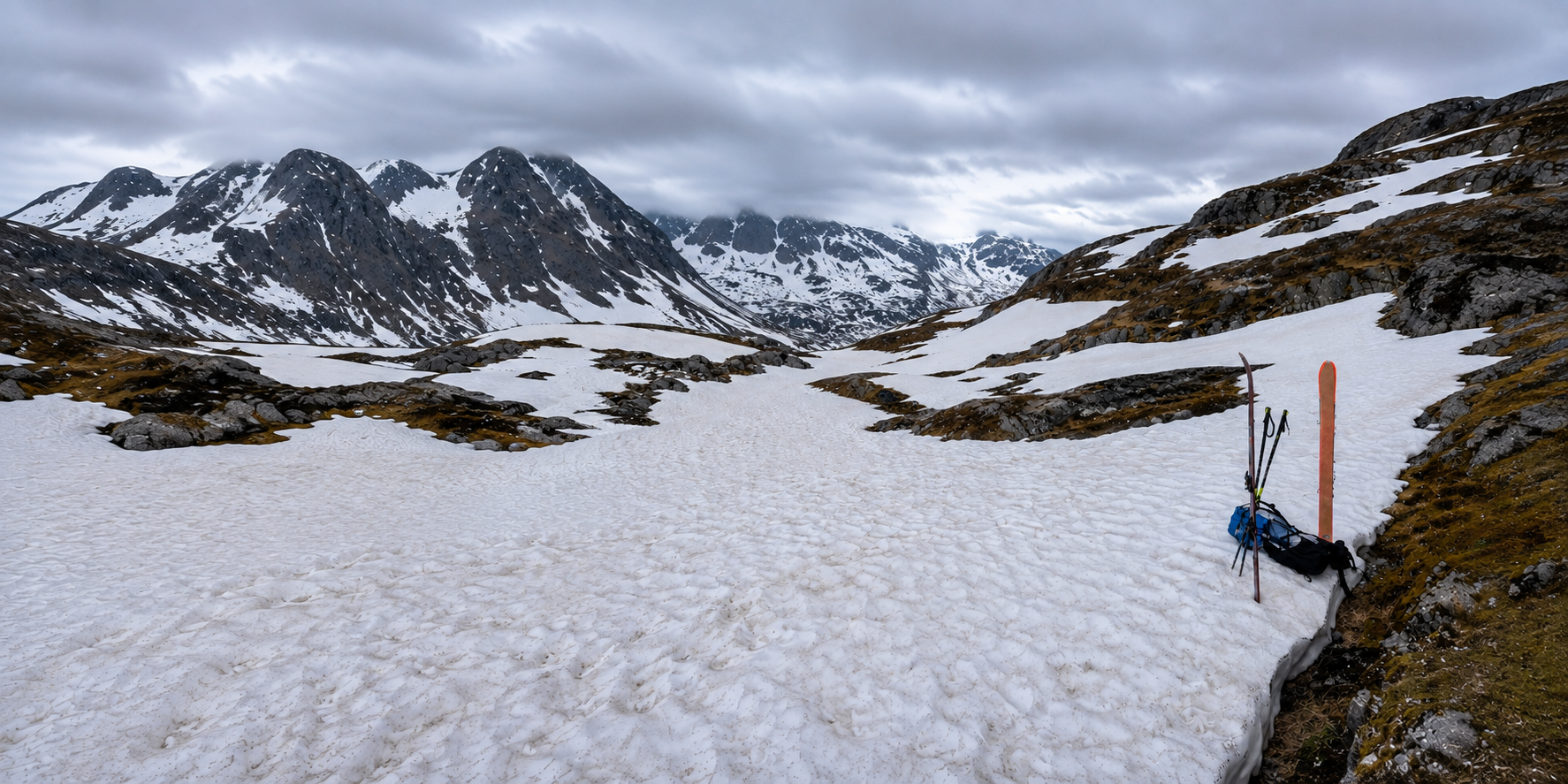
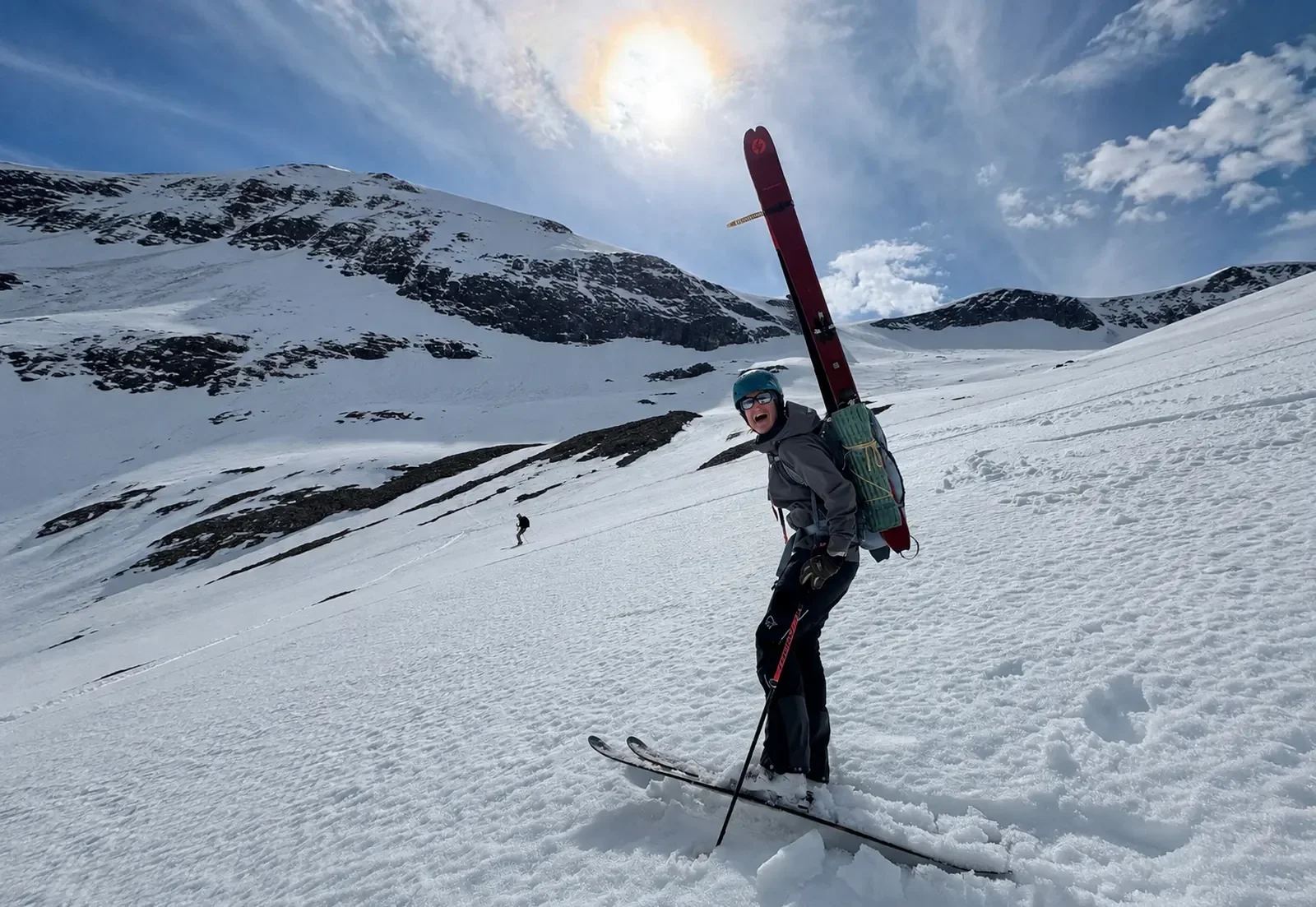
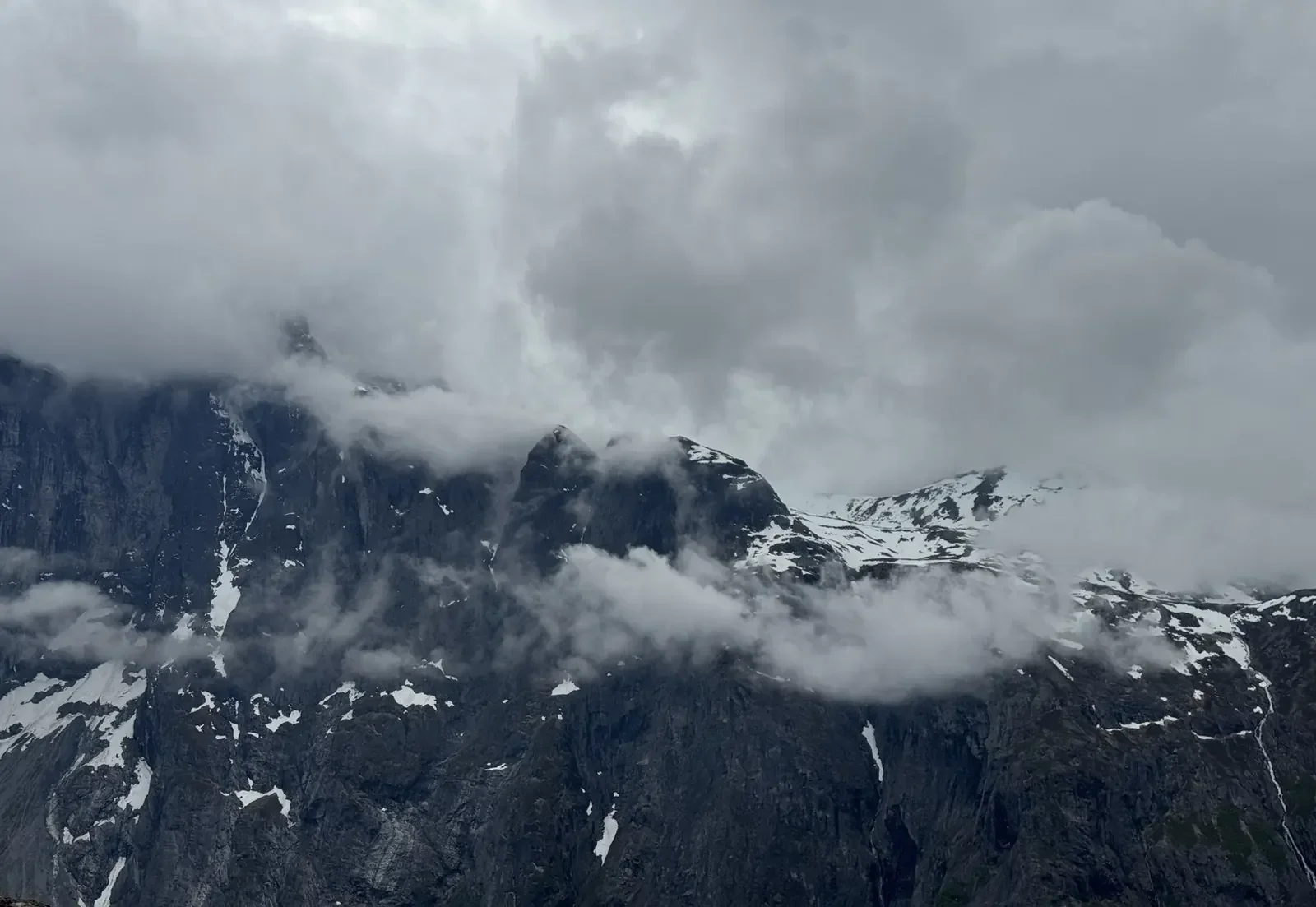
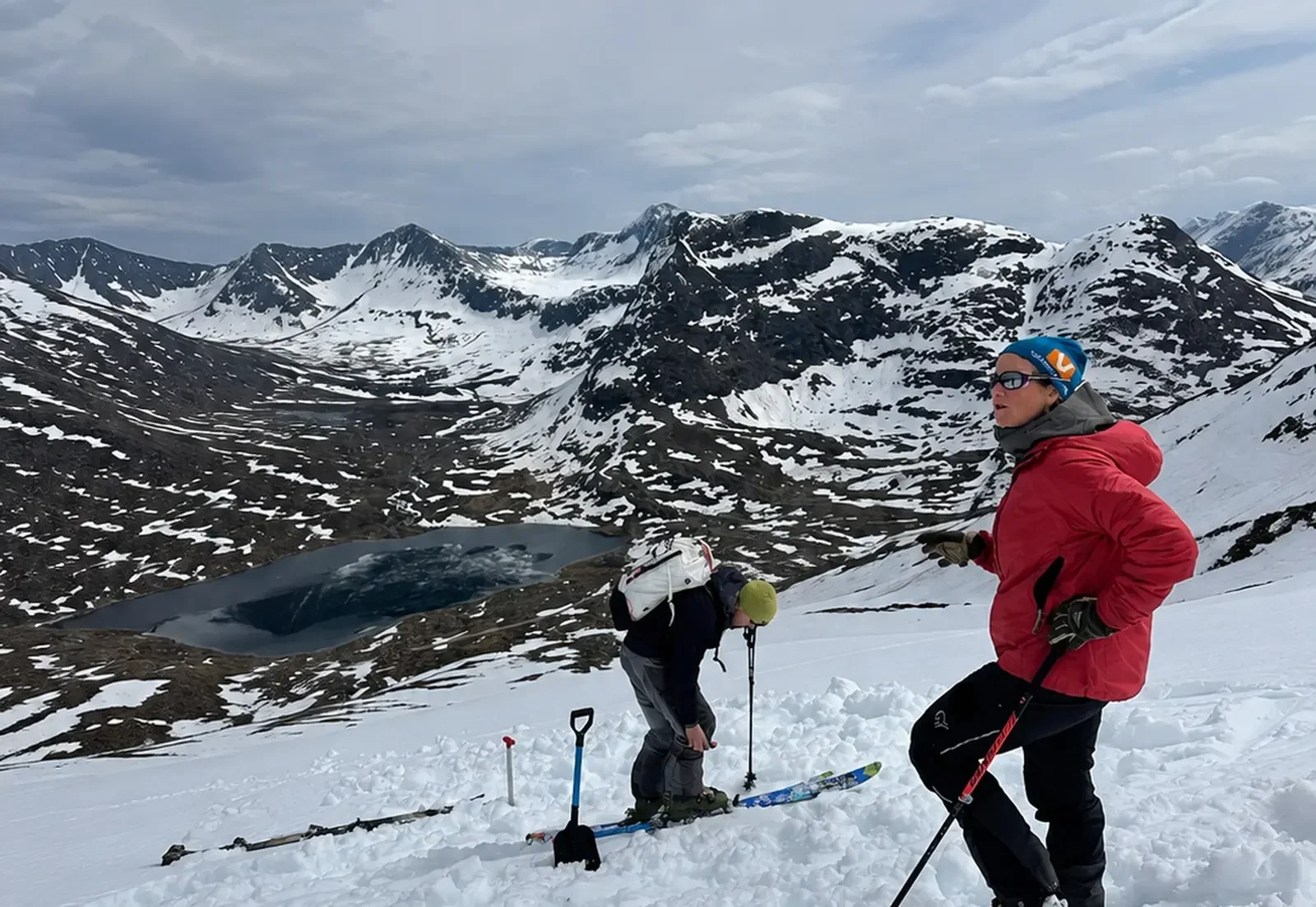
My first workshop was avalanche safety and companion rescue. We headed towards Trollvegen, where the day was spent learning about snow conditions, avalanche risks, rescue equipment and the decisions people need to make before heading into the mountains.
One of the most important things I took away was how much responsibility you have towards the people you go into the mountains with. If something goes wrong, your companions need to know what they’re doing. They need to stay calm, make decisions and act quickly. That made quite an impression on me.
We also learned how to move uphill on touring skis, using climbing skins underneath them to stop the skis from sliding backwards. Going uphill was manageable. Going downhill was another story.
Our guide thought I should give it a try. She would help me, and apparently this was a perfectly reasonable idea. I wasn’t convinced. At some point, while I was trying to make my way down the snowy slope, she shouted something along the lines of:
“Bro Kudres, bro, you are skiing!”
Technically, she was right. I was skiing. I was also absolutely terrified.
Somehow, I managed to get a couple of hundred metres downhill before taking a rather impressive fall. I didn’t realise it at the time, but that was probably when I injured my right foot.
Eventually, I decided I had experienced enough skiing for one day. I handed my skis to the guide, who took them down, while I made my way through the snow on foot. By the time I reached the cars, my skis were already waiting for me. I arrived rather wet.
The others seemed genuinely happy with how I had managed the day. Apparently, I had adapted quickly and kept smiling, even while falling, rolling around in the snow and trying to figure out which direction I was supposed to be going. I remember wondering who in their right mind chooses a spring day on Trollvegen for their very first skiing experience.
Apparently, I do.
We finished the day with pizza in Åndalsnes. The pizza wasn’t particularly good, but I was hungry enough not to care. At least not until my stomach started complaining later.
Scrambling, sore feet and a few interesting people
The next day was mountain climbing, or peak scrambling. Scrambling sits somewhere between hiking and climbing: instead of walking around the difficult parts of a mountain, you sometimes go straight over them.
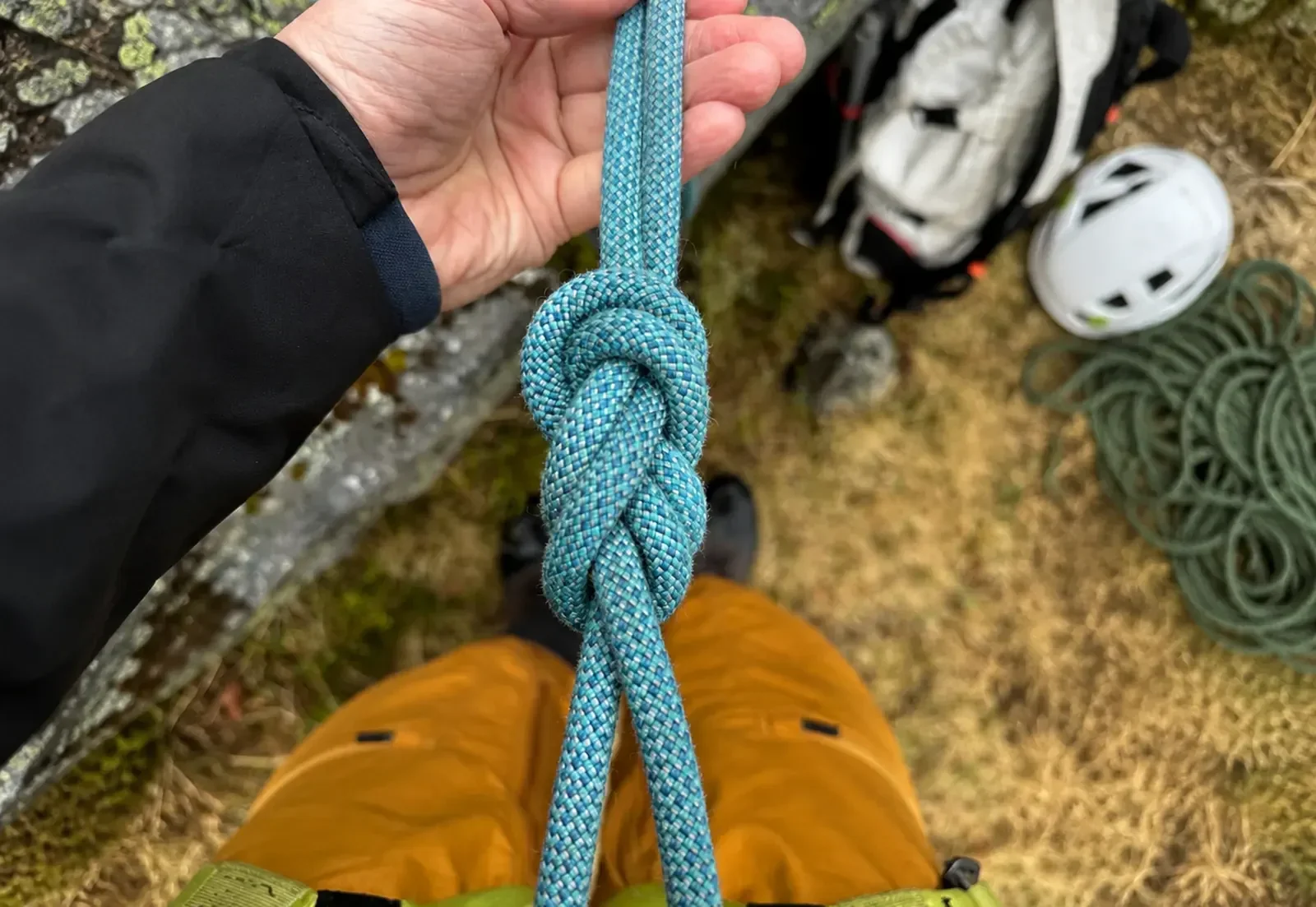
The weather had changed. The sunshine was gone, and we started the day in the rain. There was a lot to learn. We practised moving through exposed terrain, using ropes, climbing equipment and different techniques for getting up and down safely.
My feet were hurting, but my Lundhags hiking boots kept them well supported, and I managed the day without too much trouble. Only that evening, when I took my socks off before showering, did I notice how swollen my right foot had become. Quite swollen, actually. The ski boots the previous day and my hiking boots that day had apparently done such a good job supporting my foot that I hadn’t fully noticed the injury. Not ideal, considering there was still another day ahead.
That evening, however, brought something else. We watched a short film called Delayed Gratification, by Peter Nilsson and Martin Wichardt. The film explores skiing, minimalism and the value of doing things slowly rather than always choosing the quickest or easiest way to get somewhere.
I liked the idea. It also made me think about how often we try to remove effort from our lives, even when the effort might be part of what makes an experience worthwhile.
Another story that stayed with me came from Kalle, one of the mountain guides. He told us about his previous life working on a Norwegian oil platform, earning good money and flying around the world. At some point, he decided that this wasn’t how he wanted to live. He left that career and became a professional mountain ski instructor, and his approach now includes travelling to the mountains by train or bus rather than flying.
I found that inspiring. But I also couldn’t ignore another side of the story. Changing your life like that often requires money, and financial freedom can make it possible to walk away from a well-paid job and choose something completely different. Which leaves an interesting question: how do you build a simpler life without first needing to become wealthy enough to afford it?
I didn’t have an answer. But it was something I kept thinking about.
One centimetre under my toe
Sunday morning. I woke up early again. My right foot was still swollen, although walking wasn’t particularly painful, and my other heel had started complaining as well.
I went to breakfast so early that the porridge wasn’t ready yet. For some reason, I also realised that coffee hadn’t even crossed my mind for the previous three days. That was unusual. I was starting to get a little tired of the same breakfast and the same sandwiches for lunch, though.
After packing my bag, I met one of the guides outside and asked about my swollen foot. To be fair, part of me was hoping she would tell me not to participate. I was tired, a little injured and probably slightly homesick, and I wasn’t entirely sure I wanted to spend the day climbing.
She thought I would manage. Just take care of the foot.
Well. I suppose that was good news.
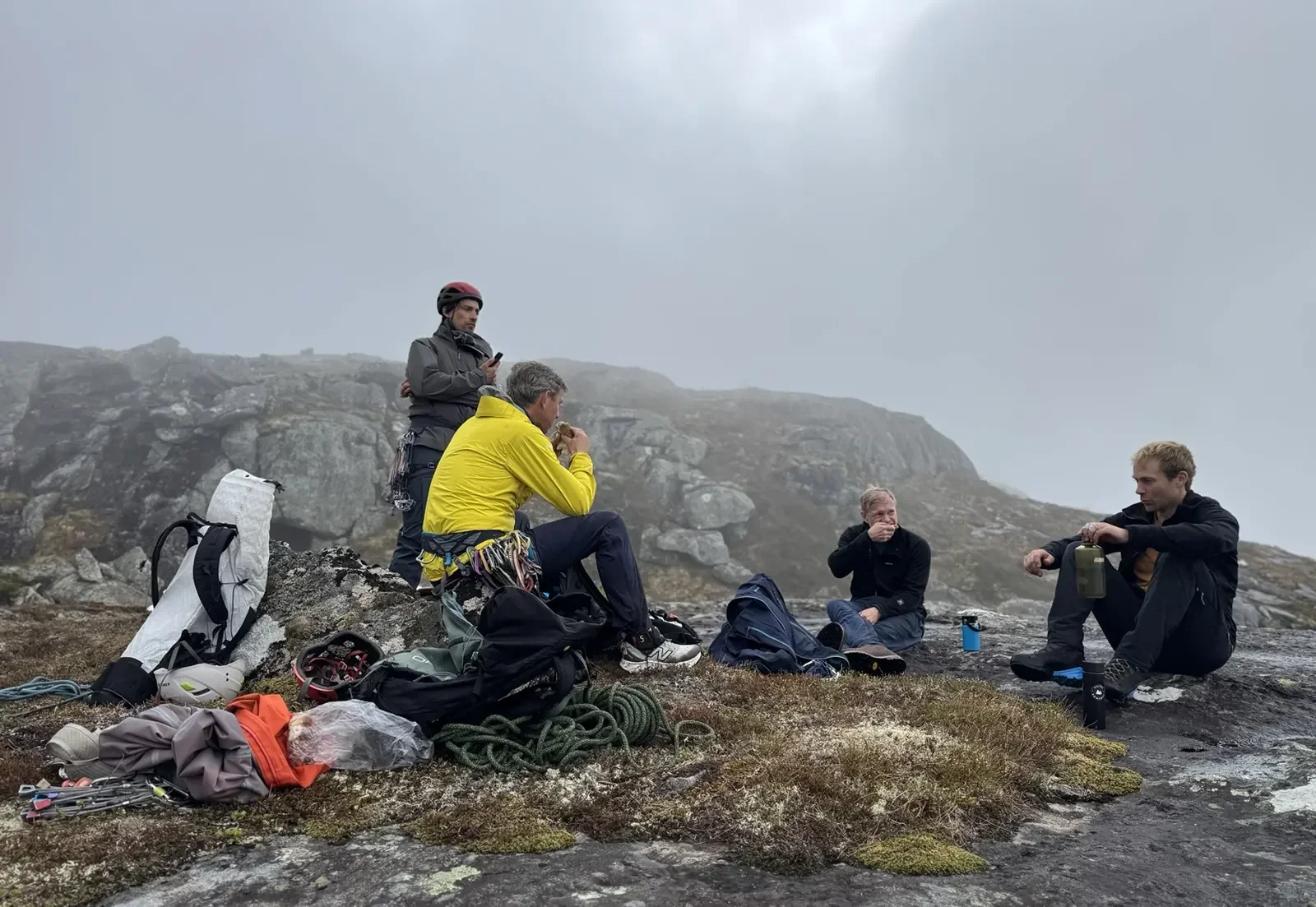
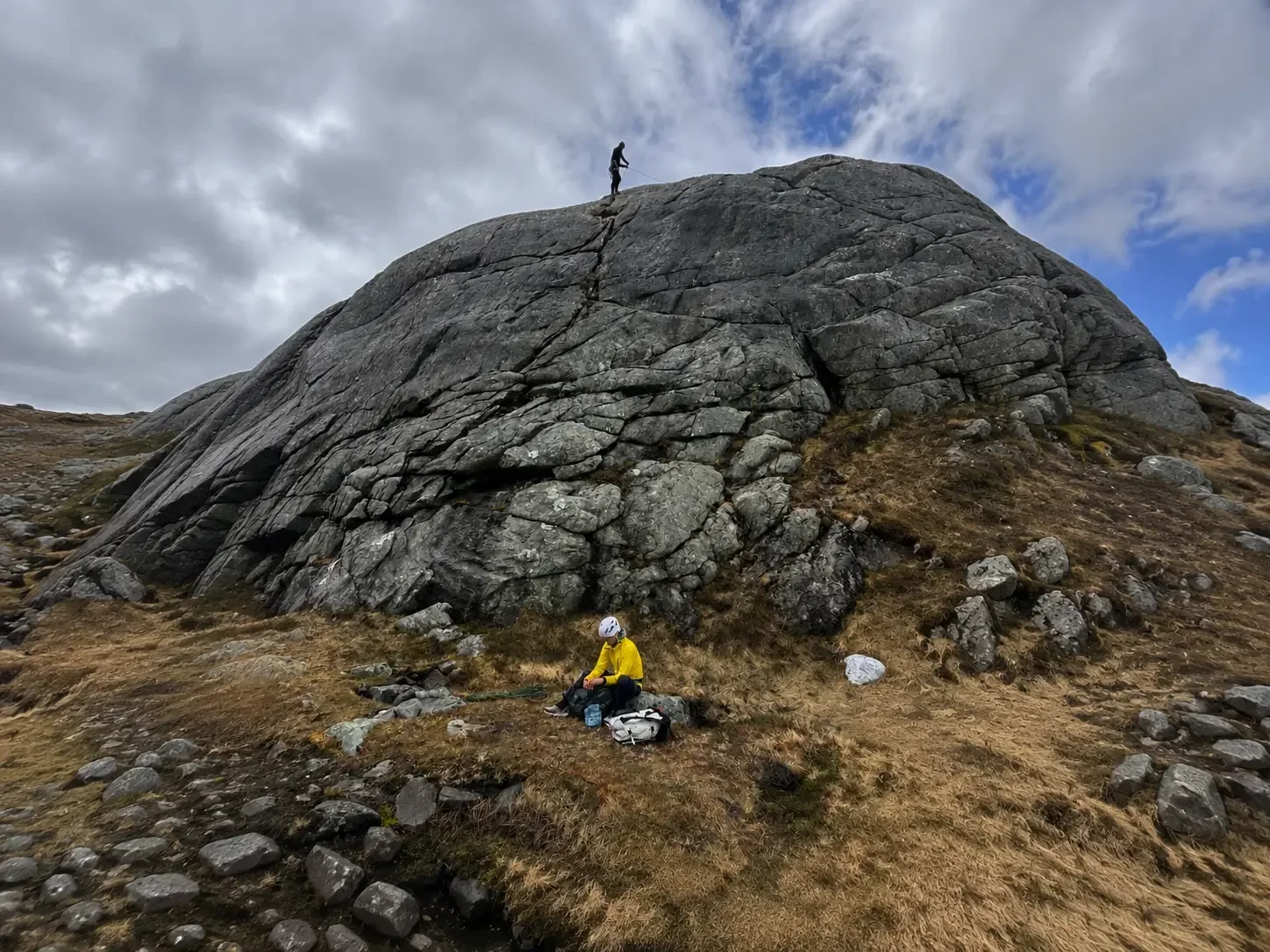
We headed out for a day of sport climbing. I was given climbing shoes, which felt terribly uncomfortable, and a harness. I ended up in the less experienced group.
Excellent.
Before I knew it, I was climbing a rock face. There was a rope keeping me safe, but it wasn’t pulling me upwards. I had to find my own way. At first, adrenaline seemed to do most of the work. Then I started noticing how much concentration climbing required.
Where does my hand go next? Can I put my foot there? Is that tiny edge really enough?
At one point, someone shouted from below that one centimetre of rock underneath my toe was enough to move upwards. That sounded completely unreasonable. But it worked.
Several times, I wanted to grab the rope and pull myself up. Instead, I was told to look for another hold in the rock, and somehow there always seemed to be one.
There was one moment when I genuinely thought I couldn’t go any further. No obvious handhold. Nowhere to put my foot. A little panic. Then I looked again, found something and continued.
Eventually, I reached the top. The adrenaline disappeared, and I was left with a rather simple feeling.
This was good.
I stood there enjoying the view. No emails. No meetings. No one asking for another price or an urgent answer. Just the rock, the next move and, finally, a view from the top. I think that was the moment when I realised climbing might actually be something for me.
Why climbing made sense to me
Later, Oskar made an observation that I hadn’t really considered. He said climbing probably suited me because it was such an engineering-like activity. Constant problem-solving.
That sounded about right. I spend much of my working life developing products, improving things and figuring out how to solve problems, and those are the parts of my work I genuinely enjoy. What wears me down is everything around them: endless communication, meetings, unclear responsibilities and problems that keep returning without anyone really solving them.
Climbing was different. There was a problem directly in front of me. I could see it, touch it and work out what to do next. And once I solved it, I moved on.
I liked that.
I also immediately started thinking about practical applications. For example, I have some work to finish on the roof of our house in Laulasmaa. Knowing how to use ropes and climbing equipment properly could be useful there, although working safely on a roof requires its own equipment and training.
So climbing wasn’t just another activity to try. It was a skill I could imagine using, and perhaps something I could keep learning for a long time.
A few thoughts about Sandpackers
During the festival, there was a small screen-printing setup where people could print graphics onto clothes they already owned. I liked that. Instead of buying another event T-shirt, people were adding something to an existing piece of clothing. From the organisers’ perspective, it was also rather clever: their graphics would leave the festival on clothes that people already liked wearing. No need to produce another pile of merchandise.
It connected with something I had been thinking about for Sandpackers. I have been increasingly interested in sewing, repairing and modifying clothes. Not necessarily designing entire collections or producing more outdoor equipment. More like taking something that already exists and making it work better. Using it. Noticing what could be improved. Changing it. Trying again.
Being around climbing equipment and clothing made me think about what might be missing, or what I could eventually make or modify myself. I didn’t come away with a business plan. Just a few ideas. But they felt worth exploring.
What I brought home from Romsdal
By Sunday evening, most people had left. I remember watching everyone pack their equipment and slowly disappear, until the Lodge became quiet. I felt unexpectedly sad. I had arrived not quite knowing what to expect, and now I wasn’t particularly eager for the whole thing to end.
The following morning, I finished packing and drove towards Oslo. I wanted to visit a few shops, including one selling climbing equipment. I had spent some time thinking about whether buying my own gear made sense, and eventually I decided that climbing was something I wanted to continue. So I bought some basic equipment.
It wasn’t an entirely impulsive purchase. I had been able to try different things during the festival, talk to experienced people and understand a little better what I actually needed. I also realised that climbing might be easier to make part of my everyday life than some of my other interests. I love sailing, for example. But sailing requires a boat, and boats have a remarkable ability to consume money even when you’re not using them. Climbing seemed a little more accessible.
Of course, I was already thinking about the next steps before I had properly finished the first ones. That is rather typical of me.
Still, I came away with something useful. I had learned a few new skills, discovered an activity I genuinely enjoyed and met people who had made interesting choices about how they wanted to live. I also came away with a swollen foot, and quite a few questions about work, money, nature and what I actually want to spend my time doing.
Not a bad result from four days in the mountains.
Romsdal Academy: practical guide
If you’re considering joining Romsdal Academy yourself, here are the practical details based on the 2026 event and my own experience.
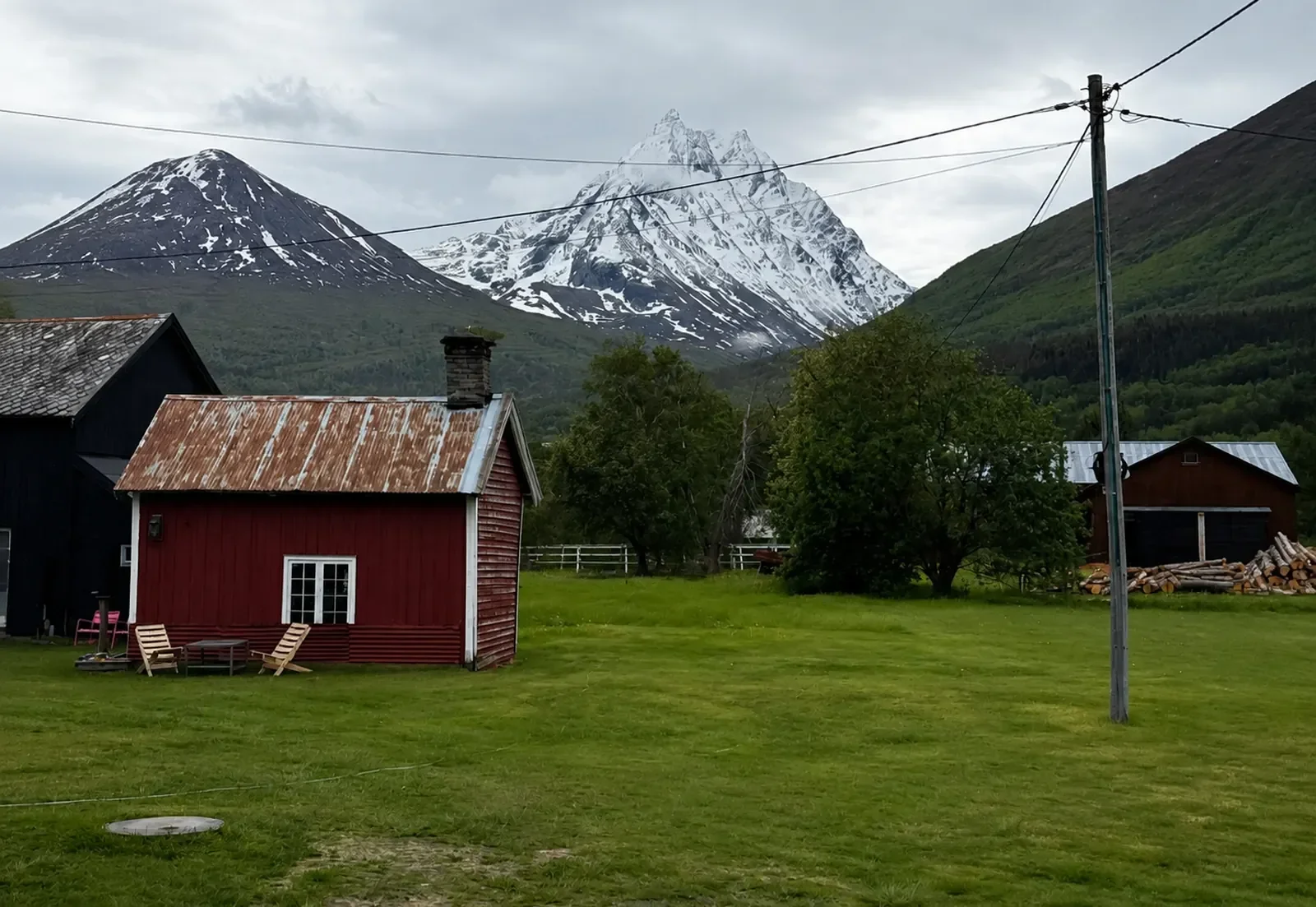
The festival is a small, four-day gathering in the Norwegian mountains, combining outdoor workshops, learning, shared meals and evening activities. It takes place at Romsdal Lodge in Isfjorden, near Åndalsnes. The main idea is not simply to take people into the mountains, but to help them develop the knowledge and judgement to make better decisions there themselves. That was probably the part I appreciated most.
When and where is Romsdal Academy?
The 2026 festival took place from 28 to 31 May at Romsdal Lodge in Isfjorden, about 8 km from Åndalsnes, Norway. Dates for 2027 had not been announced at the time of writing.
Late May is an interesting time in Romsdalen. There can still be plenty of snow higher in the mountains, while conditions lower down may already be suitable for rock climbing and other summer activities. That makes it possible to experience several different mountain disciplines during one event.
How much does Romsdal Academy cost?
The 2026 festival pass cost NOK 7,990. It included:
Accommodation at Romsdal Lodge
Breakfast, packed lunches and dinners
Guided workshops
Evening talks and festival activities
Drinks and additional snacks were not included. A single workshop could also be booked separately for NOK 1,750, and equipment rental was available through the Lodge. Prices and arrangements may change for future editions.
What workshops are available?
The 2026 programme included:
Avalanche and improvised rescue
Steep skiing
Peak scrambling (mountain climbing)
Sport climbing
Climbing technique
First aid and mountain medicine
Mountain running
Mountain swimming
Each workshop is a full day outside, and participants build their own programme by choosing one workshop per day. Groups are small, with three to six participants per guide depending on the workshop, which allows the guides to work closely with everyone.
My own workshops were avalanche and rescue, peak scrambling and sport climbing.
Is Romsdal Academy suitable for beginners?
Yes, but with an important qualification. You don’t need to be experienced in every mountain activity, but you should be honest about your abilities and choose workshops accordingly.
According to the organisers, sport climbing, first aid and mountain swimming require no previous experience. Peak scrambling expects experience of moving in exposed terrain, the avalanche workshop expects some ski touring experience, and steep skiing is for confident skiers used to steeper terrain. The organisers also expect participants to have basic outdoor skills and be comfortable spending full days outside in changing weather.
I was very much a beginner in several activities, and the guides adapted things to my level. Still, I would strongly recommend discussing your experience with the organisers before booking, especially if, like me, you’re considering an avalanche workshop without much skiing experience. I survived, but that doesn’t necessarily make it a sensible starting point for everyone.
What equipment do you need?
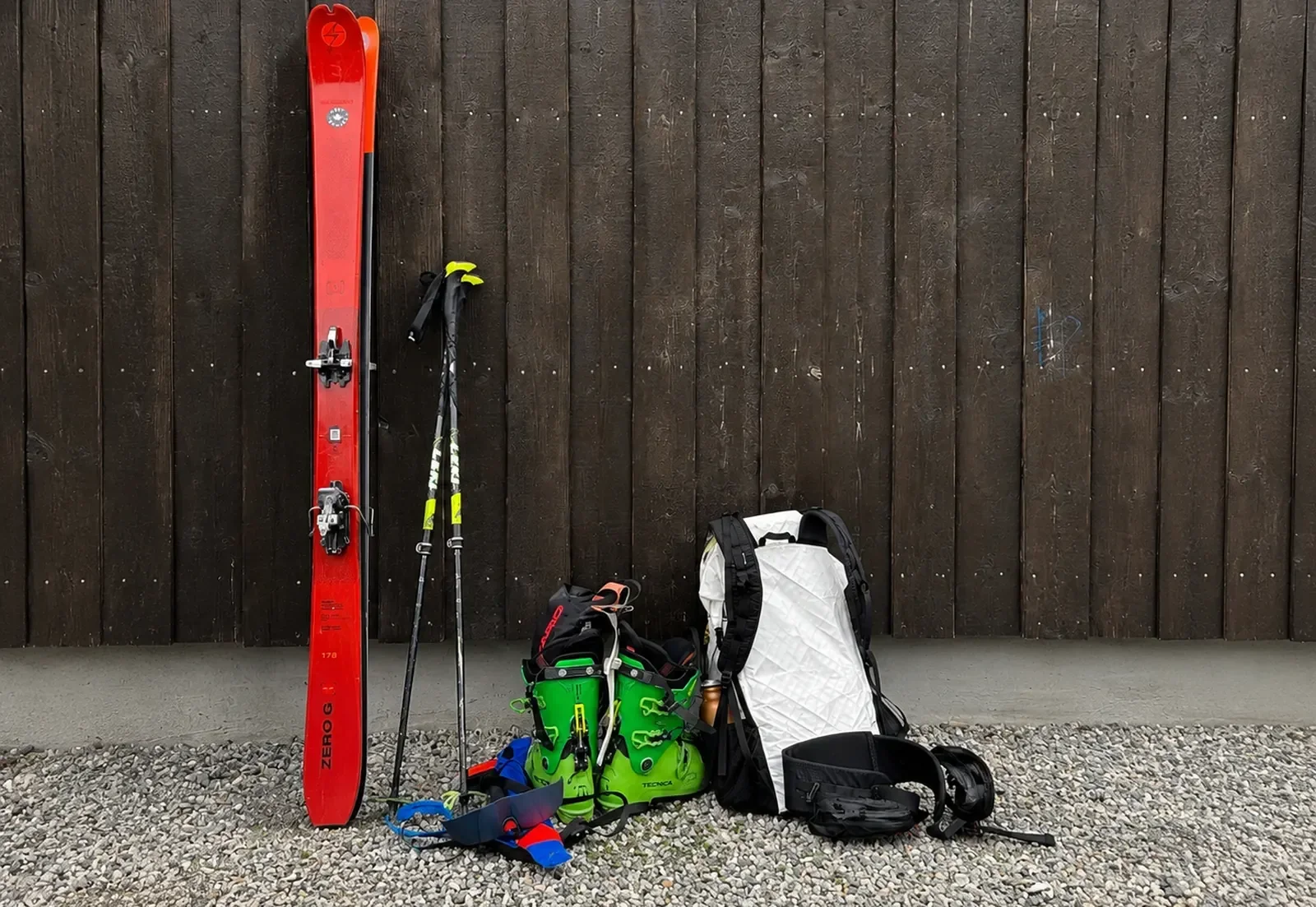
It depends on the workshops you choose. For most activities, you should have suitable outdoor clothing, warm layers, waterproof protection and a comfortable backpack. More technical workshops may require climbing equipment, a helmet, harness, ski touring equipment or avalanche safety gear.
You don’t necessarily need to own everything. Romsdal Lodge can arrange equipment rental, so check with the organisers before buying anything. I would actually recommend renting or borrowing technical equipment when you’re just starting out. Trying different things before buying helped me understand what I needed.
What is staying at Romsdal Lodge like?
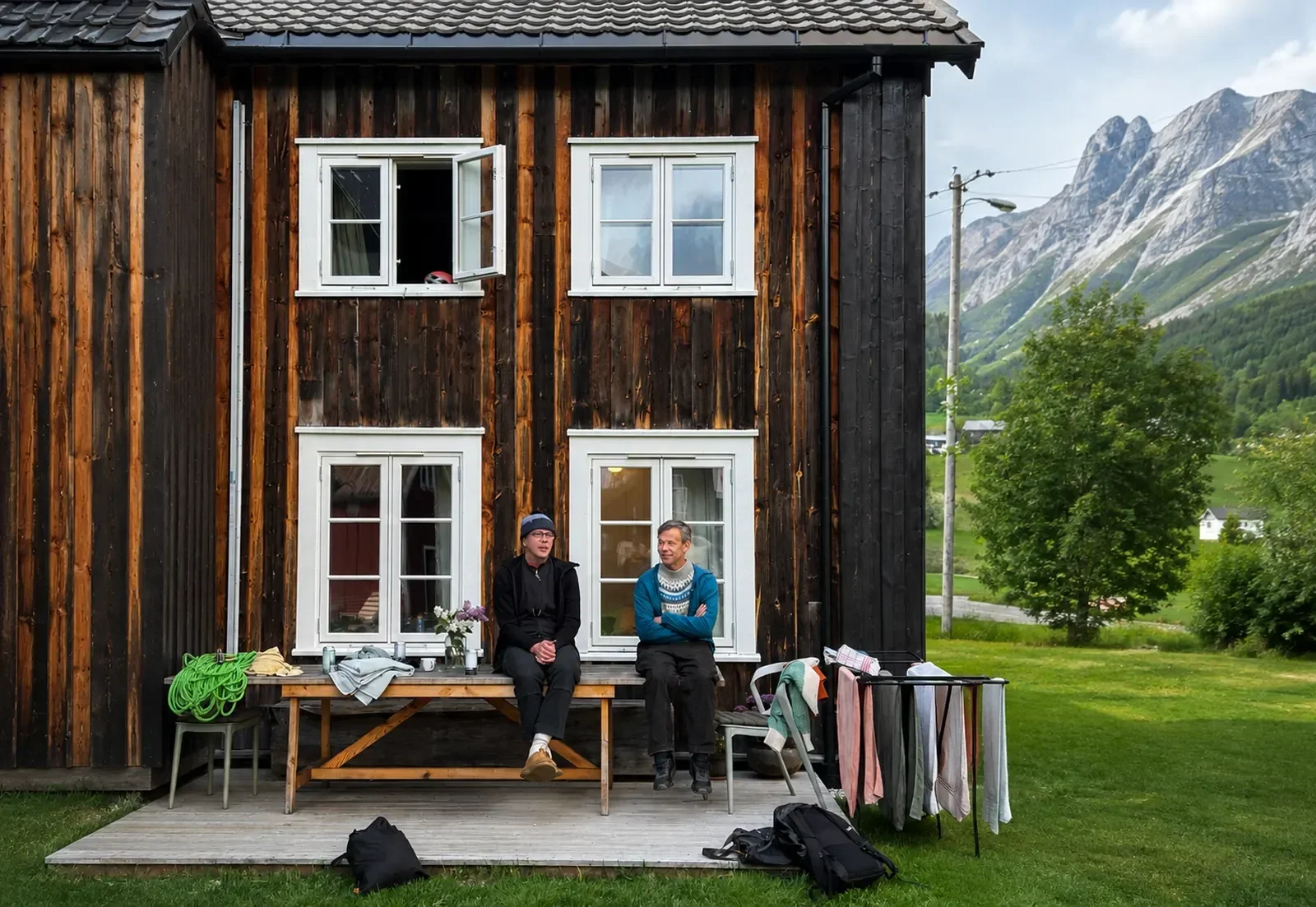
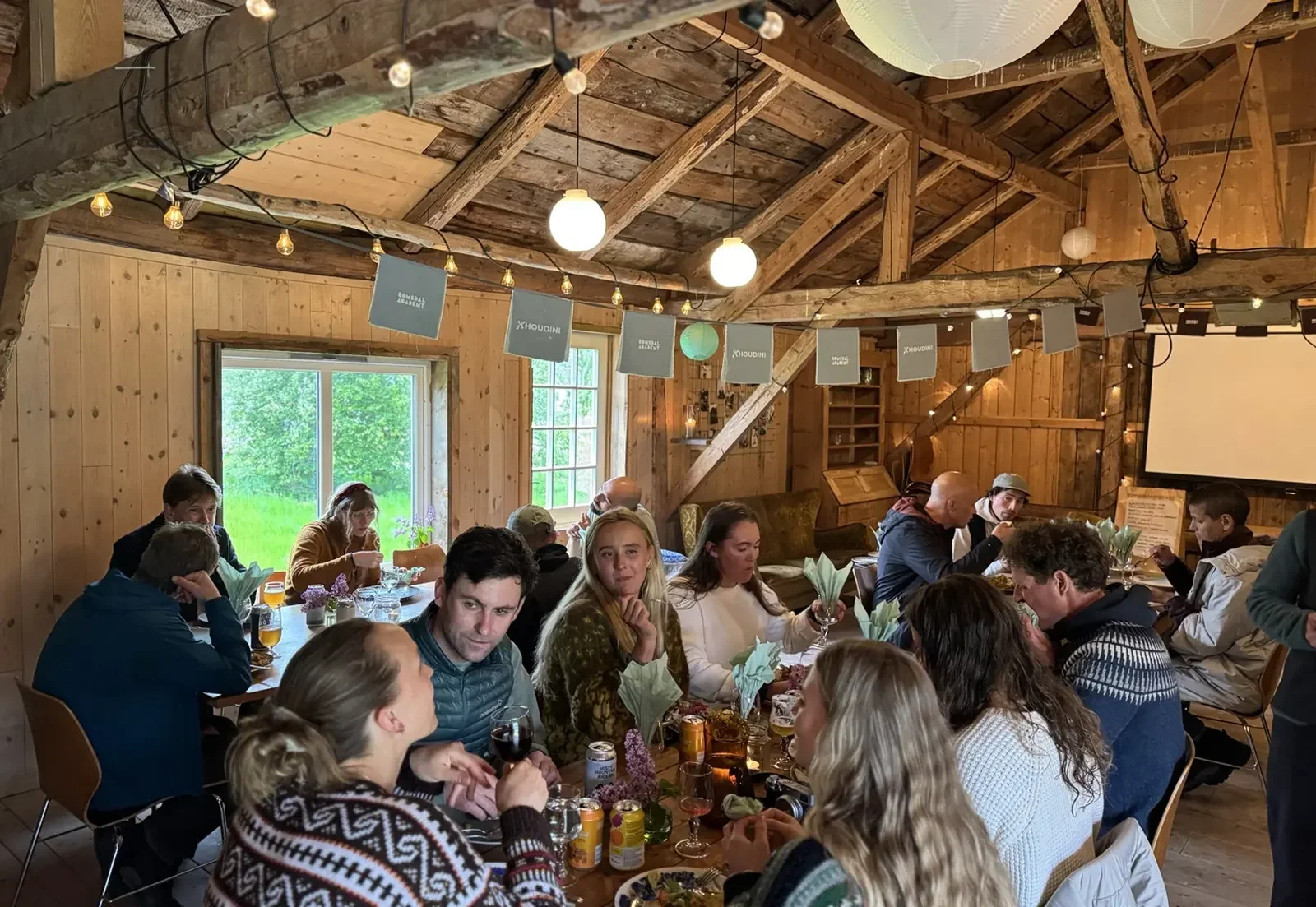
Romsdal Lodge is part of the festival experience. Participants stay together, eat together and meet again in the evenings after their workshops. There is a wood-fired sauna, outdoor fire areas and a barn used for gatherings and events.
The days start early. During the 2026 festival, breakfast was generally around 06:30, followed by preparing packed lunches and heading out for workshops at about 08:00. Most days were spent outside, and evenings included meals, talks, conversations and other activities.
I enjoyed the combination of learning during the day and having a shared place to return to afterwards. Although I also appreciated having a little time to myself.
How do you get to Romsdal Academy?
Romsdal Lodge is located in Isfjorden, close to Åndalsnes. Åndalsnes can be reached by train on the Rauma Line, which connects with the main Norwegian railway network at Dombås. Molde is the nearest major airport, approximately an hour away by car.
I drove from Estonia through Sweden and Norway, making the journey part of a longer road trip. If you’re travelling from abroad, I would recommend allowing some extra time to explore Romsdalen before or after the festival. The area deserves more than a quick visit.
Where can I find the next Romsdal Academy programme?
For future dates, workshop requirements, prices and registration, check the official Romsdal Academy website.
This guide is based on my experience at Romsdal Academy in May 2026. Workshop availability, prices and schedules may change.
More stories from Norway
If you’re planning a trip to Norway or simply enjoy travelling through the Nordic countries, you might also like some of our previous stories:
Romsdal Academy '26 · Stay in the loop
More stories from the mountains.
Join the newsletter and be the first to read the next one.